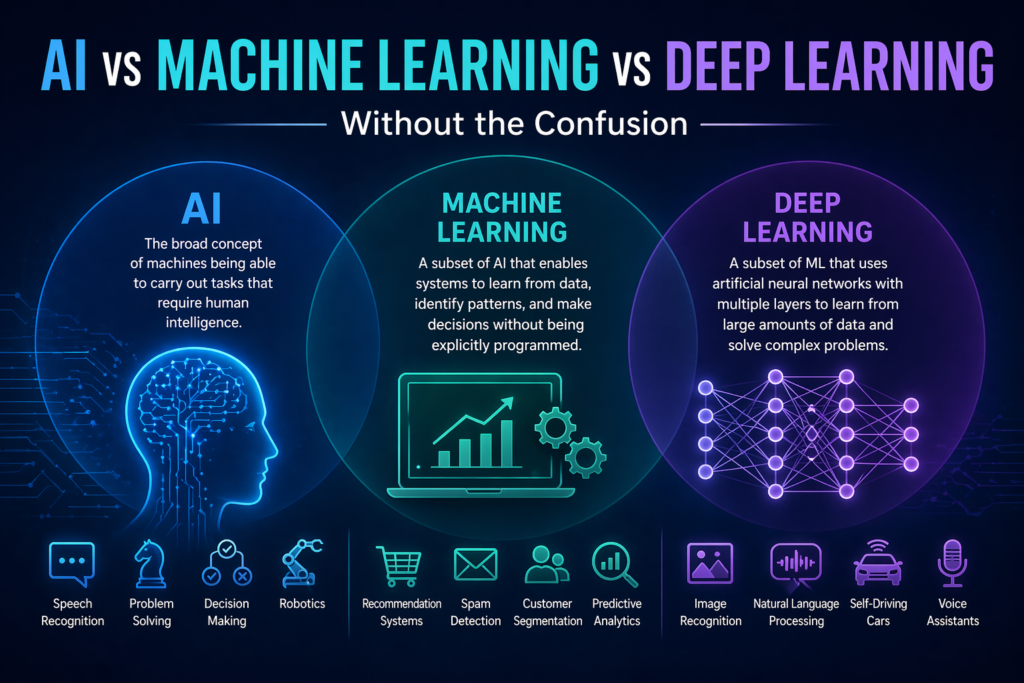
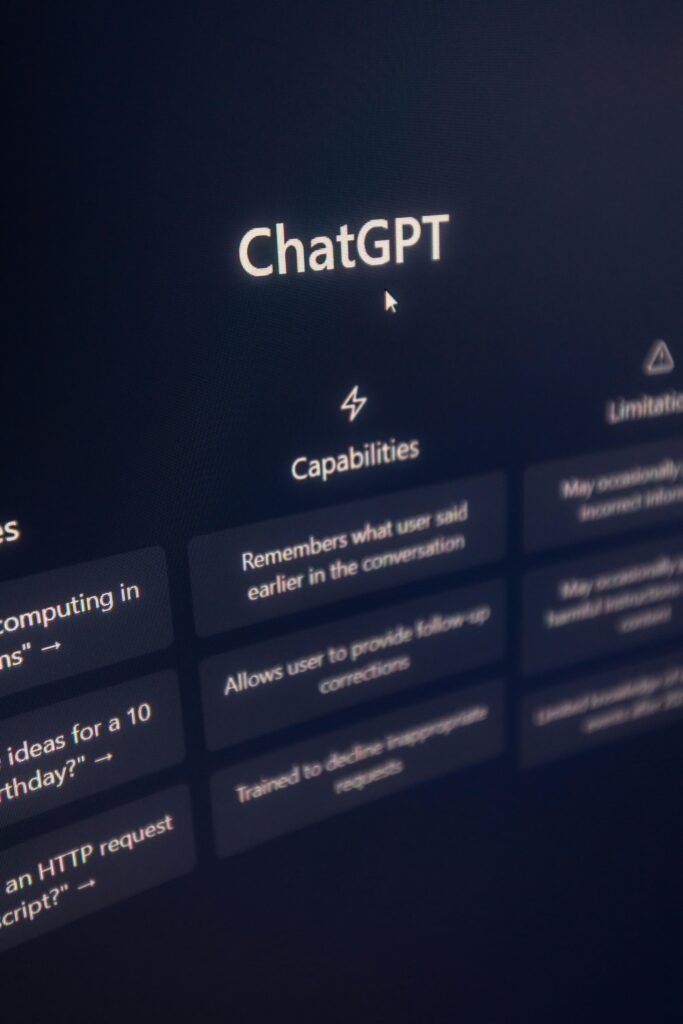
When people use tools like ChatGPT, the experience feels almost magical.
You ask a question, and within seconds, you get a well structured answer. It feels like you’re talking to someone who understands you.
But behind the scenes, it’s not magic it’s a combination of patterns, probabilities, and a lot of training.
At a very basic level, systems like ChatGPT are trained on massive amounts of text data. They learn how words relate to each other, how sentences are formed, and how ideas flow.
Instead of “knowing” answers like humans do, they predict what comes next.
If you type a question, the model analyzes it and generates a response based on patterns it has learned. It’s essentially answering by saying, “Based on everything I’ve seen, this is the most likely helpful response.”
In my experience working with large scale systems, what’s fascinating is not just the intelligence but the scale at which this learning happens.
And the takeaway for you?
You don’t need to understand every technical detail. Just know that these tools are designed to assist, not replace thinking.
The real value comes from how you use them.